
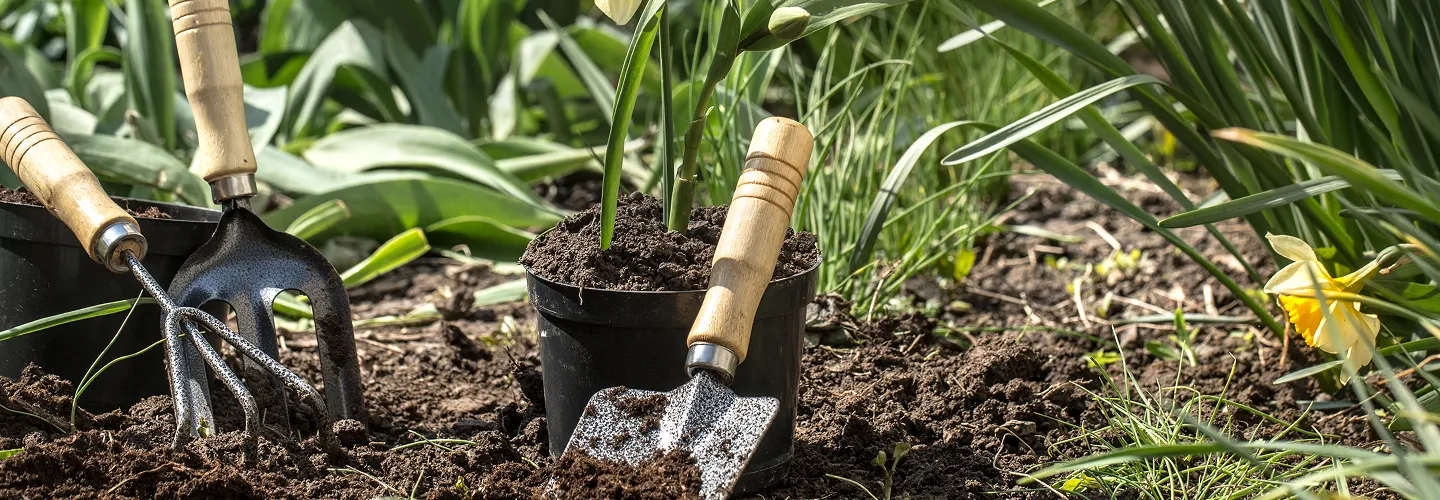
Avon Flower Planting Services
Choose our flower planting services for vibrant, healthy blooms that enhance your curb appeal and bring lasting beauty to your outdoor spaces—crafted by local experts who care about your satisfaction.
Get a Free QuoteOur Avon Landscaping & Yard Care Services
When to Schedule Flower Planting in Avon, Connecticut – Seasonal Guide
Flower planting in Avon, Connecticut, is best scheduled with careful attention to the region’s unique climate and landscape. Avon’s planting season typically begins after the last spring frost, which usually occurs in late April or early May. This timing ensures that tender annuals and perennials are not damaged by unexpected cold snaps. The town’s proximity to the Farmington River and the rolling hills near Talcott Mountain State Park can create microclimates, so it’s important to consider your specific neighborhood—whether you’re in the leafy streets near Avon Old Farms School or the open spaces around Nod Road.
Local environmental factors such as soil composition, which ranges from sandy loam to heavier clay in some areas, and the risk of late spring droughts, can influence planting success. Avon’s moderate humidity and varying shade coverage from mature trees in neighborhoods like Secret Lake or West Avon Estates also play a role. For more detailed regional climate data, consult resources like the Sudbury, MA municipal site, which offers helpful insights for New England gardeners.
Local Factors to Consider for Flower Planting in Avon
- Proximity to mature tree canopies and resulting shade coverage
- Soil type and drainage, especially in low-lying or river-adjacent areas
- Average last frost date and risk of late cold snaps
- Precipitation patterns and potential for early summer drought
- Terrain slope and exposure to wind
- Any municipal restrictions or neighborhood association guidelines
Benefits of Flower Planting in Avon

Expert Landscaping Services
Customized Garden Designs
Seasonal Plant Selection
Enhanced Curb Appeal
Eco-Friendly Practices
Reliable Local Team
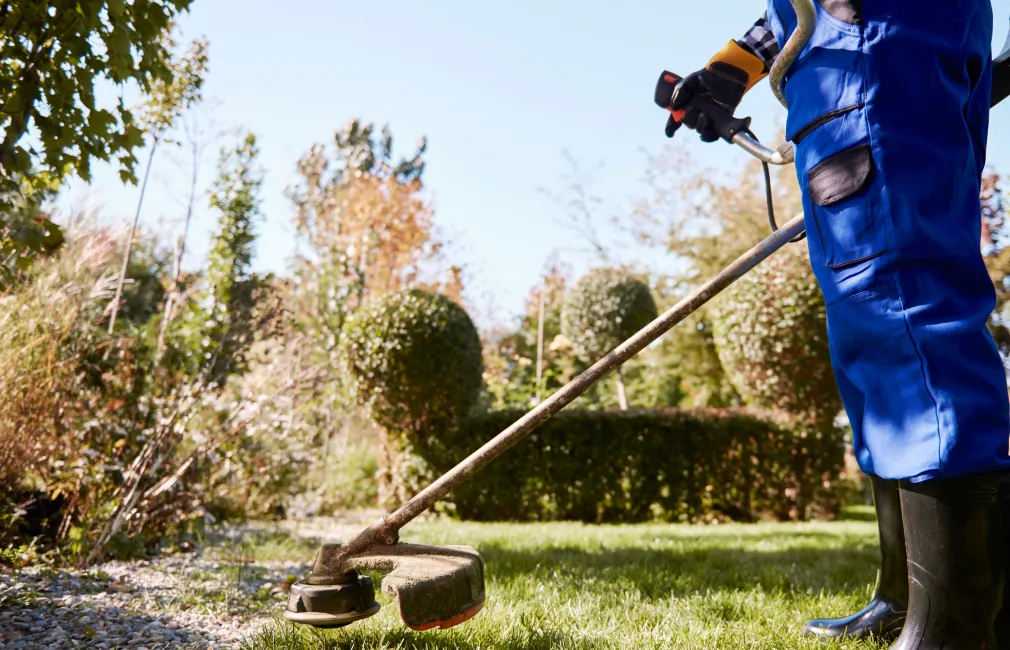
Avon Flower Planting Types

Perennial Flower Beds
-
Annual Flower Displays
-
Native Wildflower Gardens
-
Shade Garden Plantings
-
Pollinator-Friendly Plantings
-
Seasonal Bulb Arrangements
-
Container Flower Gardens
Our Flower Planting Process
Site Evaluation
Soil Preparation
Plant Selection
Careful Planting
Watering and Mulching
Why Choose Avon Landscape Services
-
Avon Homeowners Trust Us
-
Expert Lawn Maintenance
-
Reliable Seasonal Cleanup
-
Competitive Pricing
-
Professional Team
-
Satisfaction Guarantee
-
Personalized Service
Avon’s Glacial Till Soils and Site Preparation for Flower Planting
Avon’s landscape is dominated by glacial till soils, primarily classified as Inceptisols and Ultisols, which are often rocky, moderately acidic (pH 5.5–6.5), and can exhibit poor drainage in low-lying areas. Before flower planting, it is essential to conduct a soil test—available through the USDA Web Soil Survey or UConn Extension—to determine pH and organic matter content. Recommended site preparation steps include:
- Removing stones and debris to a depth of 8–12 inches
- Incorporating 2–3 inches of compost tilled to a 6-inch depth
- Applying lime if pH is below 6.0, or sulfur if above 7.0
- Ensuring drainage improvements in areas with seasonal water tables at 12–18 inches Coordination with the municipal engineering department is advised for properties with significant grading or drainage modifications.
Avon Engineering Department
60 West Main Street, Avon, CT 06001
Phone: (860) 409-4373
Official Website: Avon Engineering Department
Seasonal Timing and Climate Considerations for Flower Planting in Avon
Avon is situated in USDA Hardiness Zone 6b, with average last frost dates in late April and first frost dates in late October. Optimal flower planting windows are:
- Spring: April 20 – May 30 (soil temperature 50–65°F)
- Fall: September 1 – October 10 (for hardy perennials) Avoid planting during June–August due to heat stress and potential drought conditions. The National Weather Service Boston/Norton office provides up-to-date local forecasts to guide planting schedules. For best results, monitor soil moisture and temperature before installation. Mulching with 2–3 inches of organic material helps retain soil moisture and moderate temperature fluctuations. For weather-sensitive projects, consult the local NWS office for frost advisories and rainfall predictions.
Municipal Coordination and Compliance with Avon’s Planting Regulations
Flower planting projects in Avon must comply with local ordinances regarding setbacks, buffer zones, and equipment operation hours. Key municipal requirements include:
- Equipment operation permitted: Monday–Friday 7:00 AM–7:00 PM, Saturday 8:00 AM–6:00 PM
- Prohibited: Sundays and holidays
- Maintain a 25-foot buffer from wetlands and watercourses
- No fertilizer or pesticide application within 50 feet of water bodies
- Use biodegradable bags or 32-gallon containers for plant debris; plastic bags are prohibited Permit review for planting near regulated areas is typically 10 business days, with application fees ranging from $25–$75. For detailed guidance, coordinate with the Department of Public Works.
Avon Department of Public Works
11 Arch Road, Avon, CT 06001
Phone: (860) 673-6151
Official Website: Avon Department of Public Works
Environmental Compliance: Stormwater, Wetlands, and State Regulations in Avon
All flower planting activities in Avon must adhere to the Connecticut Environmental Protection Act and the Clean Water Act, which regulate stormwater runoff and wetland protection. Avon is subject to the MS4 permit program, prohibiting the discharge of soil, mulch, or plant debris into storm drains. Required practices include:
- Maintaining a 25-foot no-disturbance zone from wetlands
- Installing silt fences or straw wattles on slopes exceeding 5%
- Prohibiting fertilizer and pesticide use within 50 feet of streams or ponds
- Scheduling planting to avoid heavy rainfall events For technical assistance, consult the Connecticut Department of Energy and Environmental Protection and EPA Region 1.
Selecting Native and Deer-Resistant Flower Species for Avon’s Microclimate
Selecting appropriate flower species is critical for long-term success in Avon’s climate and soil conditions. Recommended species for full sun include:
- Black-eyed Susan (Rudbeckia hirta)
- Purple coneflower (Echinacea purpurea)
- Daylily (Hemerocallis spp.) For partial shade:
- Coral bells (Heuchera americana)
- Astilbe (Astilbe spp.)
- Hosta (Hosta spp.) Deer-resistant options:
- Lavender (Lavandula angustifolia)
- Russian sage (Perovskia atriplicifolia)
- Salvia (Salvia nemorosa) Native selections such as wild bergamot (Monarda fistulosa) and cardinal flower (Lobelia cardinalis) support pollinators and require less maintenance. For plant spacing, maintain 12–18 inches between perennials and 8–12 inches for annuals. Consult UConn Extension for additional guidance on species selection and integrated pest management.
What Neighborhoods Do We Serve Throughout Avon, CT?
- West Avon: Characterized by mature subdivisions with moderately well-drained glacial till soils and established shade trees, requiring careful species selection for partial sun and root competition.
- Secret Lake: Features smaller lots near water bodies, with higher water tables and stricter wetland buffer enforcement; drainage and erosion control are critical for flower beds.
- Avon Center: Includes mixed-use and civic areas with compacted urban soils, frequent foot traffic, and municipal landscaping standards affecting plant selection and maintenance.
- Farmington Woods: Gated community with HOA landscaping guidelines, deer pressure, and periodic soil compaction from recreational use; compliance with community standards is essential.
- Avon Park North: Newer developments with engineered soils, improved drainage, and larger open spaces, allowing for a wider range of perennial and annual plantings.
- Huckleberry Hill: Hilly terrain with shallow, rocky soils and slope management challenges; erosion control and terracing may be required for successful flower planting.
- Thompson Brook: Proximity to protected wetlands and floodplain areas necessitates strict adherence to buffer zones and stormwater management best practices.