
Avon Pruning Services
Choose our professional pruning services to enhance your landscape’s beauty, promote healthy growth, and ensure the safety of your property with skilled, reliable care.
Get a Free QuoteOur Avon Landscaping & Yard Care Services
When to Schedule Pruning in Avon, Connecticut – Seasonal Guide
In Avon, Connecticut, timing your pruning services is crucial for maintaining healthy, beautiful landscapes. The optimal periods for pruning typically fall between late winter and early spring, just before new growth begins. This timing allows trees and shrubs to recover quickly and minimizes the risk of disease. Avon’s climate, characterized by cold winters and humid summers, means that frost dates—often extending into April—should be carefully considered before scheduling any major pruning work. Neighborhoods near Talcott Mountain or along the Farmington River may experience microclimates, with increased shade coverage and moisture retention, which can influence the best times for pruning.
Local environmental factors such as drought risk during late summer, varying soil types from the sandy loam in West Avon to the richer soils near Avon Old Farms, and municipal guidelines all play a role in determining the right schedule. Homeowners should also be aware of humidity levels, which can promote fungal growth if pruning wounds are left exposed during wet periods. For more information on local regulations and environmental considerations, consult the Town of Sudbury’s resource page, which offers helpful insights relevant to Avon residents.
Local Factors to Consider for Pruning in Avon
- Tree density and species diversity in your neighborhood
- Terrain variations, especially in hilly areas like Talcott Mountain
- Average precipitation and seasonal drought risk
- Municipal restrictions or permit requirements
- Shade coverage and proximity to water sources
- Local frost dates and humidity levels
- Soil type and drainage characteristics
Benefits of Pruning in Avon

Enhanced Plant Health
Improved Curb Appeal
Increased Sunlight Exposure
Professional Landscaping Expertise
Efficient Debris Removal
Customized Pruning Solutions
Avon Pruning Types

Crown Thinning
-
Crown Reduction
-
Crown Lifting
-
Deadwood Removal
-
Formative Pruning
-
Pollarding
-
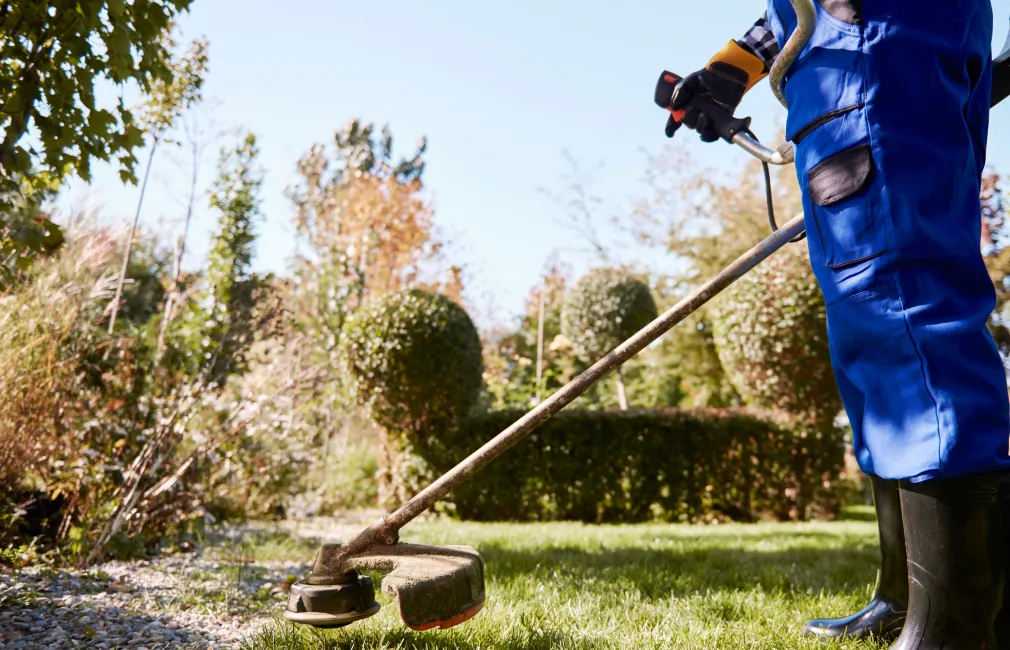
Hedge Trimming
Our Pruning Process
Site Evaluation
Plant Selection
Targeted Pruning
Debris Removal
Final Inspection
Why Choose Avon Landscape Services
-
Avon Homeowners Trust Us
-
Expert Lawn Maintenance
-
Reliable Seasonal Cleanup
-
Competitive Pricing
-
Professional Team
-
Satisfaction Guarantee
-
Personalized Service
Pruning Regulations and Permit Requirements in Avon
Pruning activities in Avon are governed by municipal ordinances to ensure public safety, tree health, and compliance with local land use policies. Any pruning of public shade trees or trees within the public right-of-way requires prior approval from the town. For trees over 6 inches in diameter at breast height (DBH) or those located within 50 feet of wetlands, a permit is mandatory. The application fee is typically $50, with a review period of up to 10 business days. Equipment operation for pruning is permitted during the following hours:
- Monday-Friday: 7:00 AM - 7:00 PM
- Saturday: 8:00 AM - 6:00 PM
- Sunday and holidays: Prohibited
Coordination with the Department of Public Works is required for all work impacting public property or infrastructure.
Avon Department of Public Works
60 West Main Street, Avon, CT 06001
Phone: (860) 673-6151
Official Website: Avon Department of Public Works
Avon’s Glacial Till Soils and Pruning Best Practices
Avon’s predominant soils, including Paxton and Montauk series, are characterized by glacial till, moderate acidity (pH 5.5-6.5), and poor to moderate drainage. These conditions influence root development and tree stability, making proper pruning essential to reduce windthrow risk and promote healthy growth. Pruning cuts should be made just outside the branch collar to facilitate rapid healing and minimize disease entry. For mature trees in compacted soils, avoid heavy crown reduction, as this can stress roots and destabilize the tree. Soil amendments such as compost (2-3 inches tilled to 6-inch depth) and lime (for pH below 6.0) are recommended to support recovery after major pruning. Soil testing is available through UConn Extension for $15-25 per sample. Consult the USDA Web Soil Survey for detailed soil mapping in your neighborhood.
Environmental Compliance: Wetland Buffers and Stormwater Protection in Avon
Pruning near Avon’s wetlands, streams, and conservation areas is subject to strict environmental regulations. The Connecticut Environmental Protection Act and the town’s MS4 stormwater permit require a 25-foot no-disturbance buffer from all designated wetlands. All pruning debris must be collected and disposed of properly to prevent nutrient runoff into the Farmington River and local streams. The use of fertilizers or pesticides within 50 feet of water bodies is prohibited. Compliance steps include:
- Maintain 25-foot buffer from wetlands
- Use biodegradable bags for debris collection
- Schedule debris pickup on Thursdays (April-November)
- Prohibit dumping in storm drains or waterways
For guidance on buffer zones and protected areas, contact the Planning and Community Development Department.
Avon Planning and Community Development Department
60 West Main Street, Avon, CT 06001
Phone: (860) 409-4326
Official Website: Avon Planning and Community Development Department
Seasonal Timing and Weather Considerations for Pruning in Avon
Avon is located in USDA Hardiness Zone 6b, with average annual minimum temperatures of -5°F to 0°F. Optimal pruning windows for most deciduous trees are late winter to early spring (February 15 – April 15), before bud break and sap flow. Avoid pruning during periods of heavy rainfall or when soil is saturated, as this increases compaction and disease risk. The National Weather Service NWS Albany Office provides up-to-date forecasts for Avon, which should be consulted before scheduling major pruning operations. Key timing guidelines:
- Late winter/early spring: Best for structural pruning
- Summer: Light maintenance only
- Fall: Avoid major cuts (disease risk)
- Monitor soil moisture and freeze/thaw cycles
What Neighborhoods Do We Serve Throughout Avon, CT?
- West Avon: Features mature oak and maple stands on Paxton soils with moderate drainage; large lots require careful debris management and compliance with wetland buffers.
- Secret Lake: Dense tree canopy and proximity to water bodies necessitate strict adherence to 25-foot wetland setbacks and careful debris containment.
- Avon Center: Urban fill soils and compacted sites require specialized pruning techniques to minimize root disturbance and ensure public safety near commercial corridors.
- Farmington Woods: Gated community with HOA guidelines; pruning must meet both municipal and association standards, with emphasis on aesthetics and safety.
- Avonridge: Sloped lots and rocky soils present access challenges for equipment; extra precautions needed to prevent soil erosion during pruning.
- Deercliff Road Area: Properties adjacent to conservation land and steep terrain require coordination with town officials for buffer compliance and safe debris removal.
- Woodford Hills: Newer development with young trees and engineered soils; focus on formative pruning and compliance with local planting ordinances.
State and Federal Environmental Oversight for Pruning Activities
All pruning work in Avon must comply with state and federal environmental regulations, including the Connecticut Environmental Protection Act and the Clean Water Act. The Connecticut Department of Energy and Environmental Protection (CT DEEP) oversees MS4 stormwater permits and wetland protection, while EPA Region 1 provides federal oversight. For technical guidance on plant health, soil management, and integrated pest management, consult UConn Extension. These agencies provide resources on:
- Stormwater management best practices
- Wetland and buffer zone regulations
- Soil testing and amendment recommendations
- Pesticide application and licensing requirements